Homes for sale Ottawa focused on lifestyle and value
Buying a home is rarely only about price or square footage. Most buyers are looking for a place that supports how they live today while still offering long term value. When lifestyle and value are considered together, decisions feel more balanced and satisfying. Exploring Homes for sale Ottawa with this mindset helps buyers choose homes that feel right emotionally and make sense practically.
Ottawa offers diverse housing options that suit different routines, family needs, and future plans. Some buyers prioritize quiet surroundings, while others value access to amenities and daily convenience. Value goes beyond resale potential. It includes comfort, usability, and how well a home supports everyday life. When lifestyle and value align, buyers feel confident committing.
Housing options overview
Ottawa’s housing landscape includes a wide range of options that appeal to different lifestyles. From compact layouts to more spacious family homes, each option carries its own advantages. Understanding what is available helps buyers compare choices without feeling rushed.
A clear overview helps buyers recognize which housing styles match their routines and long term goals. Instead of focusing on trends, buyers can focus on practicality. This awareness reduces confusion and supports better shortlisting early in the process.
Knowing the range of options helps buyers feel prepared rather than overwhelmed.
Area suitability planning
Location shapes daily life just as much as the home itself. Area suitability planning helps buyers think beyond appearance and consider how a neighborhood fits their lifestyle. Commute patterns, access to services, and overall atmosphere all matter.
Planning suitability encourages buyers to reflect on how they spend their time. Homes that support routines often lead to greater satisfaction. Buyers who consider area suitability early avoid regret after moving in.
Choosing the right area strengthens both comfort and long term value.
Long term value outlook
Value is not limited to short term market movement. Long term outlook considers stability, adaptability, and future appeal. Buyers benefit from thinking about how a home may serve them years down the line.
Homes that offer flexibility tend to hold value better over time. Layouts that adapt to changing needs support long term comfort. When buyers think beyond immediate appeal, they make choices that feel secure.
Long term thinking reduces the pressure to upgrade or move again too soon.
Buying process coordination
A well coordinated buying process helps keep decisions clear and stress manageable. Coordination involves understanding timelines, next steps, and responsibilities. When the process is organized, buyers feel more in control.
Clear coordination allows buyers to focus on evaluating homes rather than worrying about procedures. This structure supports calmer decisions and reduces second guessing. Buyers who feel supported move forward with greater confidence.
An organized process helps protect both emotional comfort and practical outcomes.
Balancing comfort with smart decisions
The best home purchases balance comfort with logic. Buyers should feel comfortable in their space while knowing their decision is financially and practically sound. This balance prevents regret driven choices.
Comfort comes from alignment with lifestyle needs. Smart decisions come from understanding value and future implications. When both are considered together, buyers feel satisfied and confident.
This balance leads to stronger long term happiness.
Homes for sale Ottawa focused on lifestyle and value help buyers make thoughtful, confident choices. By understanding housing options, planning area suitability, considering long term value, coordinating the buying process, and balancing comfort with practicality, buyers gain clarity and control. When lifestyle and value work together, home buying becomes a positive experience that supports daily life today and stability for years to come.
Top of Form

 A
A 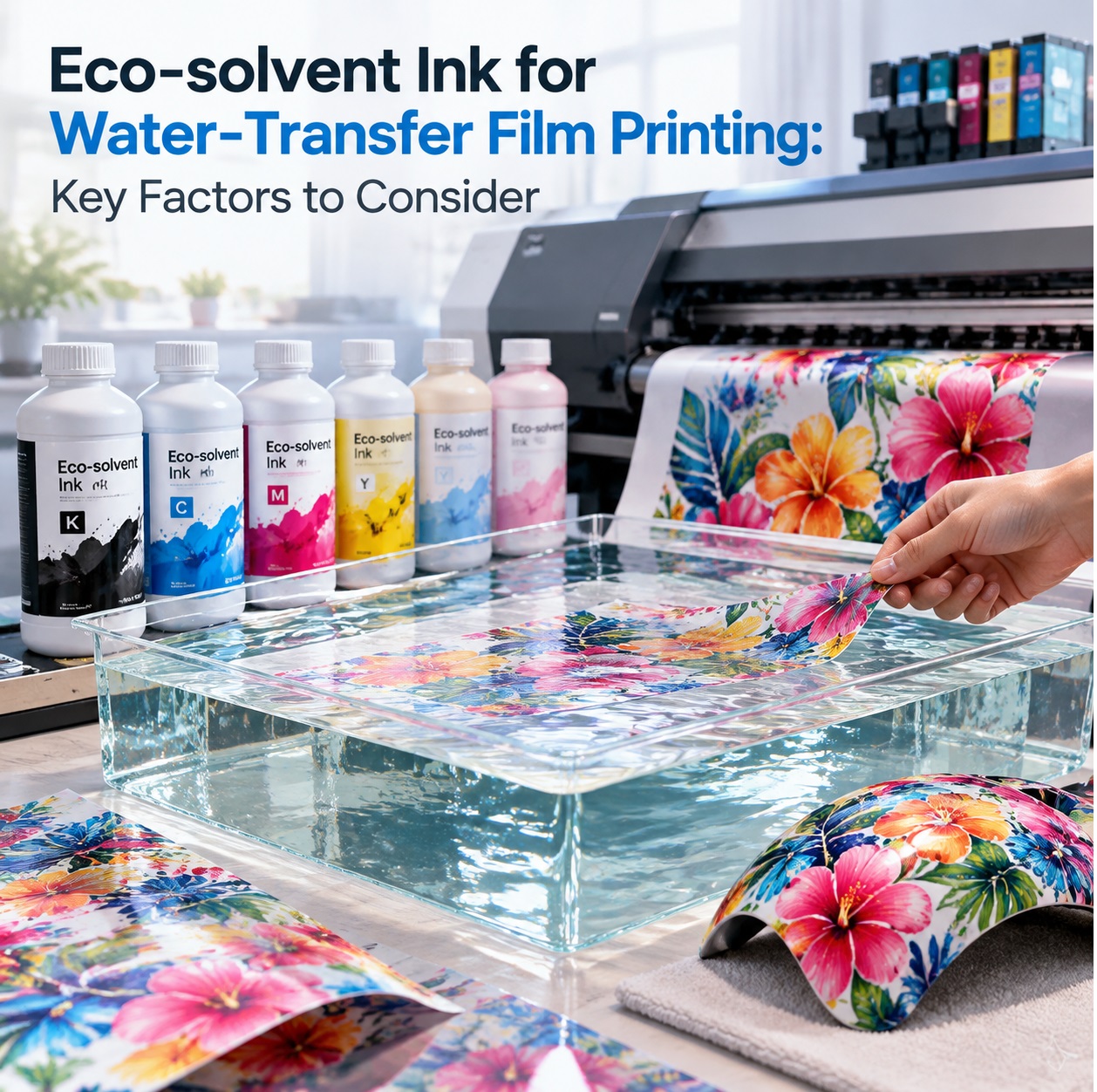 Most water-transfer film failures don’t announce themselves at the printer. They show up in the water bath, three seconds before the decal wrinkles, tears, or refuses to slide off its backing. By then the ink has been paid for, the film has been paid for, and the labor is gone.